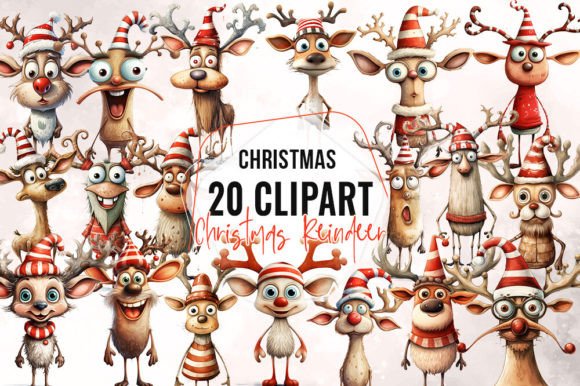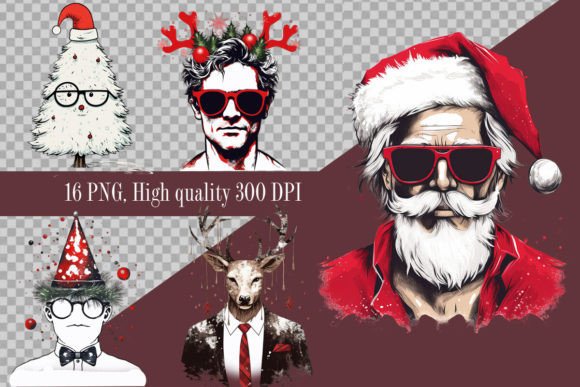
Crazy Christmas Style Clipart for Modern Illustrations
In the world of digital publishing, the difference between a post that gets ignored and one that gets shared often comes down to visual communication. As a blog designer who has managed editorial calendars for years, I know that readers form an opinion about your content's credibility within seconds. That is why selecting the right graphic design asset is not just an aesthetic choice; it is a strategic business decision. Recently, I evaluated Crazy Christmas Style Clipart with the intention of using it across several real-world publishing projects, including newsletter banners, affiliate product guides, and seasonal downloadable resources.
The first impression of this asset pack is undeniably festive and energetic. It creates an editorial mood that feels playful, bold, and highly decorative without sacrificing readability. For publishers in the lifestyle, parenting, or creative entrepreneur niches, this style resonates immediately. It suggests a brand identity that is approachable and fun, which is perfect for the holiday season when audiences are looking for inspiration rather than dry corporate data. However, if your website focuses on serious financial advice or legal services, this specific set of Illustrations might clash with the professional tone you need to maintain. But for most content creators preparing for Q4, the vibe is exactly what is needed to boost engagement.
Integrating Visuals into a Real Publishing Workflow
When I began testing Crazy Christmas Style Clipart, I did not just look at the files in isolation. I placed them into actual layouts to see how they performed as part of a cohesive editorial design. The versatility of these assets is impressive. They transitioned smoothly from being used as featured images for blog posts to serving as the primary visual hook for Pinterest pins. In my workflow, I used them to create category thumbnails that helped users navigate the site more intuitively during the busy holiday shopping period.
The asset pack proved particularly useful for creating digital products like lead magnets and downloadable worksheets. When designing a "Holiday Gift Guide" PDF, the clipart added a layer of polish that made the free resource feel premium rather than generic. I also experimented with using the graphics in email marketing campaigns. A well-designed header image can significantly increase open rates, and the bright, cheerful nature of these design assets helped break up the text-heavy content typical of newsletters. Whether you are building a media kit for sponsors or creating social media graphics for Instagram, the consistency provided by this pack helps establish a recognizable brand identity.
Enhancing Performance Through Visual Hierarchy
One of the primary goals of any web designer is to guide the reader's eye through a clear visual hierarchy. Crazy Christmas Style Clipart supports this goal effectively because of its distinct shapes and vibrant colors. When placed strategically next to headlines, these illustrations draw attention to key calls-to-action. This is crucial for affiliate marketing pages where you want to highlight specific product recommendations or discount codes. The graphics act as visual anchors that make the content feel structured and easy to scan.
Furthermore, the use of high-quality creative design elements directly impacts reader trust. A website that looks polished and professionally curated signals authority. By incorporating these modern design elements into your website header or article sidebars, you elevate the perceived value of your content. Readers are more likely to click through to affiliate offers or sign up for a course if the surrounding visuals look intentional and high-end. The clipart helps achieve this level of polish, turning standard blog posts into engaging visual stories.
Strategic Placement for Maximum Impact
To get the most out of this asset pack, I recommend focusing on specific areas of your digital ecosystem where visual impact is paramount. Hero images on landing pages are an excellent place to start. A large, bold graphic featuring the Crazy Christmas Style Clipart can set the tone for the entire page immediately. Similarly, for Pinterest pins, which are often the main driver of traffic for bloggers, these illustrations provide the necessary contrast to stand out against the white background of the platform.
I also found success using these graphics as editorial accents within long-form articles. Instead of relying solely on stock photos, I inserted small, thematic icons from the pack to break up walls of text. This technique improves readability and keeps the user engaged longer. For content marketing strategies involving social media previews, these images ensure that your links look attractive even before the user clicks. They work beautifully as cover art for digital guides, eBooks, or online courses, giving your intellectual property a unique and memorable look.
Navigating Limitations and Best Practices
While the potential is high, there are scenarios where this style requires careful handling. If you are working on mobile devices, be cautious with overly detailed or busy layouts. Small mobile thumbnails can become cluttered if the clipart is too complex, potentially obscuring important text or reducing the clarity of your message. Additionally, if your niche involves serious professional topics, such as healthcare or finance, this playful style might undermine the gravity of your content. In those cases, a more minimal visual system is preferable.
Text-heavy blog images also demand attention. Ensure that the background of your graphics provides enough contrast so that overlaid text remains legible. Testing is non-negotiable in this process. Before rolling out new visuals across your site, preview them inside a real blog layout on both desktop and mobile screens. Check how the images interact with different font styles. I tested the clipart alongside serif fonts for a classic look, sans-serif fonts for a modern feel, and script fonts for a handwritten touch. Each combination offered a different emotional response, allowing me to tailor the look to specific articles.
Technical Considerations for Publishers
Beyond aesthetics, technical performance plays a vital role in web design. Large image files can slow down your site, hurting your SEO rankings and frustrating users. Before implementing Crazy Christmas Style Clipart, I compressed the images properly to optimize load times without sacrificing quality. This step is essential for maintaining a fast, responsive experience.
Another critical factor is licensing. If you plan to use these assets on monetized websites, affiliate pages, or within paid content products, you must confirm that you have a valid commercial license. Using commercial design elements without proper permission can lead to legal issues and damage your reputation. Always review the terms of the creative marketplace where you purchased the assets to ensure compliance.
Finally, consider the broader context of your small business branding. Does this style align with your logo and overall color palette? Consistency builds recognition over time. By thoughtfully integrating these design assets into your Canva templates and other editing tools, you can streamline your production process while maintaining a high standard of quality. Whether you are an online educator creating course materials or a digital marketer running ads, the right illustration can make all the difference in connecting with your audience.
Ultimately, Crazy Christmas Style Clipart is a powerful tool for publishers looking to add a burst of personality to their content. When used with intention and care, it enhances the user experience, strengthens your brand, and drives better results for your digital publishing efforts.