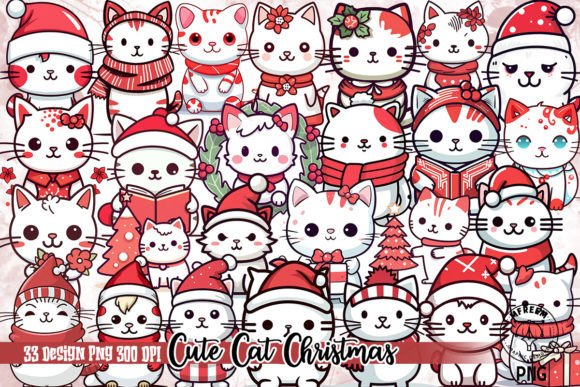
Christmas Tree Decor Clipart 39 PNG Review
When I first opened the Christmas Tree Decor Clipart 39 PNG file, my immediate thought wasn't about the holiday spirit alone, but rather how this specific illustration would translate into a tangible, stitched reality. As someone who has spent years reviewing digital assets for real-world embroidery projects, I know that a pretty image on a screen can sometimes fall flat once it hits the hoop. The transition from a digital vector to a physical textile is where the magic happens, and where many designs fail. This review breaks down exactly how Christmas Tree Decor Clipart 39 PNG performs when moving from a digital asset to a finished product in your craft business or personal studio.
The First Stitch: Visual Personality and Mood
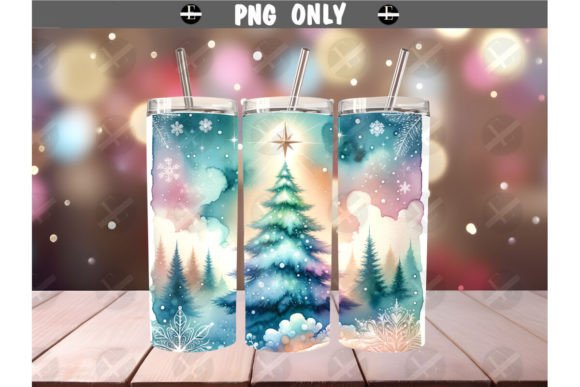
The moment you load this design into your digitizing software, the visual personality of Christmas Tree Decor Clipart 39 PNG becomes clear. It carries a whimsical yet structured energy that feels perfectly suited for modern handmade goods. Unlike some generic tree silhouettes that look stiff or overly traditional, this piece offers a layout that suggests movement and texture. For an embroiderer, this is crucial because the shape dictates how the stitches will flow. The clean lines suggest that the design will hold its form well on various fabrics, while the decorative elements promise a touch of elegance without overwhelming the garment.
In terms of mood, this illustration strikes a balance between festive cheer and professional polish. It isn't just a clipart; it feels like a brand element. Whether you are creating a boutique holiday collection or a simple gift for a neighbor, the aesthetic of Christmas Tree Decor Clipart 39 PNG elevates the perceived value of the final item. It screams "handmade with care," which is exactly what customers look for when browsing Etsy listings or walking through a craft fair booth.
Real-World Application: From Screen to Stitch
Let's talk about a specific scenario I recently encountered. A client asked me to create a line of custom embroidered tote bags for a local holiday market. She wanted something that felt cozy but not cluttered. When I pulled up Christmas Tree Decor Clipart 39 PNG, I immediately saw its potential. The composition works beautifully as a central focal point on a canvas tote. However, the devil is in the details, specifically regarding stitch density and fabric texture.
If you plan to use this as a machine embroidery design on a heavy-duty cotton canvas bag, the fill stitches need to be robust enough to cover the weave of the fabric without puckering. The design's structure supports this well, provided you use the correct stabilizer. But what if you want to take this further? Imagine using this same design for a baby onesie. The soft curves of the tree would look adorable in pastel threads on a white bodysuit. The running stitch details in the original illustration could translate into delicate satin stitching, creating a soft, tactile finish that parents love.
I also tested the versatility of this asset by imagining it on a sweatshirt. On a dark charcoal fleece, the contrast of the design would pop, especially if you choose high-vis thread colors. This makes Christmas Tree Decor Clipart 39 PNG an excellent candidate for winter apparel. It fits naturally into the category of holiday embroidery, serving as a standalone motif or a supporting graphic alongside text. For small shop owners, this flexibility is gold. You aren't limited to one product type; you can adapt this single design asset into aprons, pillow covers, kitchen towels, and even embroidered patches for jackets.
Navigating Challenges: Where Caution is Key
While the design is strong, no asset is perfect for every situation. There are specific areas where you must exercise caution to ensure the finished product meets your standards. One major consideration is the size of the design relative to the hoop. If you attempt to stitch this on a very small surface area, such as a baseball cap or a tiny baby bib, the fine details might get lost or become distorted. Small hoop sizes require simplified digitizing, so always check the scale before committing to production.
Fabric choice is another critical factor. Textured fabrics like chunky knits or thick velour can swallow up intricate details. If the original illustration relies on thin lines to define the branches, those lines might disappear entirely when stitched onto a rough texture. Similarly, stretchy fabrics like jersey require careful stabilization. Without a proper cut-away stabilizer, the tension of the stitches could cause the fabric to pucker around the edges of the tree, ruining the crisp look of the design.
Dense stitch areas are also worth noting. If the design includes large blocks of fill stitch, they can create a stiff hand feel. On a garment that needs to drape softly, like a child's blanket or a light shirt, this stiffness might be undesirable. Additionally, if you are working on dark fabric, ensure your underlay and topstitch colors provide enough contrast. A light-colored tree on a black background requires a solid foundation to prevent the fabric color from bleeding through the stitches.
Impact on Brand and Customer Trust
In the world of commercial embroidery, the quality of your work directly impacts customer trust. A sloppy stitch job or a design that doesn't lay flat can make a handmade product look cheap, regardless of how good the original idea was. Using a well-structured design like Christmas Tree Decor Clipart 39 PNG helps maintain brand consistency. When your customers see a clean, professional-looking tree on their custom apparel, they associate that quality with your entire shop.
This design also enhances giftability. Holiday gifts often need to look polished and thoughtful. An embroidered patch featuring this tree motif, sewn onto a leather keychain or a denim jacket, adds a layer of sophistication that mass-produced items lack. For Etsy sellers, having high-quality mockups of this design on various products can significantly boost buyer engagement. It allows potential buyers to visualize the final result, reducing hesitation and increasing sales.
Practical Designer Notes for Success
Before you start stitching, there are several steps you should take to guarantee success. First and foremost, test the design on scrap fabric that matches your final project material. This allows you to see how the threads interact with the specific weave and color of the fabric. Check the thread color contrast carefully; sometimes a color that looks great on a monitor appears dull on wool or silk.
Review the stitch density settings in your software. If the design feels too dense, consider adjusting the fill width or switching to a combination of satin and running stitches to reduce bulk. Confirm the hoop size required for the full design to avoid cropping out essential elements. Inspect small details closely; if any part of the tree looks fragile, you may need to simplify the digitizing to ensure durability during washing.
It is also wise to test the design in black and white mockups to ensure the silhouette remains strong even without color. Compare how it looks on both light and dark backgrounds to determine the best thread palette. Always use the proper stabilizer for your fabric type; a tear-away might work for a stable tote bag, but a cut-away is better for stretchy garments. Finally, double-check whether the license allows for commercial use if you plan to sell finished items. Confirming these details upfront saves time and prevents legal headaches later.
Christmas Tree Decor Clipart 39 PNG is more than just a seasonal graphic; it is a versatile tool for creative entrepreneurs. By understanding its strengths and limitations, you can transform this digital file into a standout addition to your portfolio. Whether you are crafting personalized gifts or building a commercial embroidery business, this design offers the reliability and aesthetic appeal needed to succeed in today's competitive handmade market.