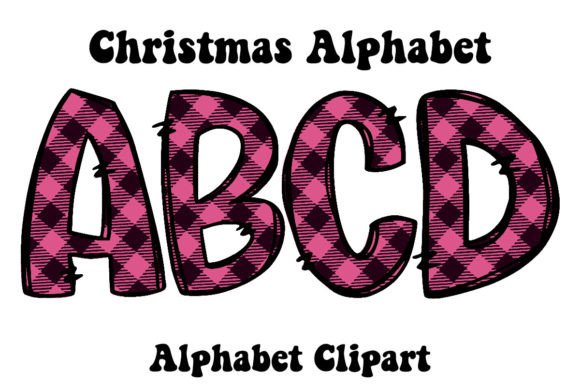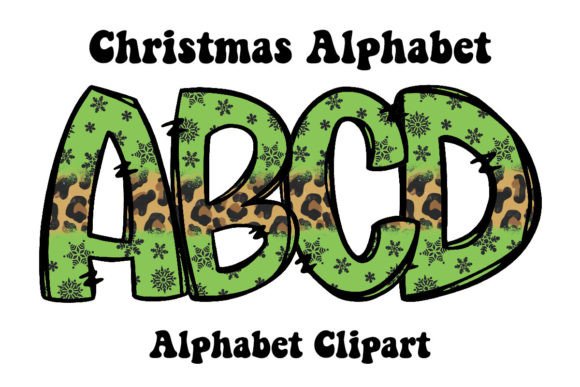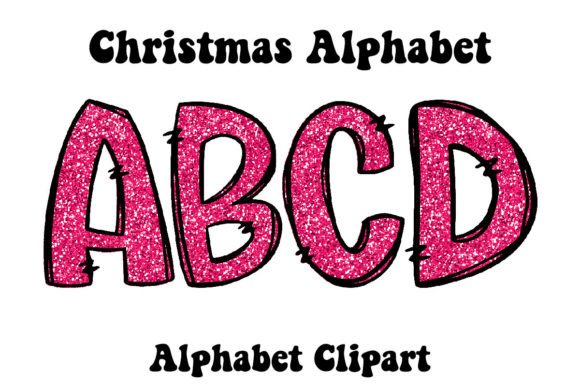
Christmas Pink Plaid Leopard Pink Doodle Review
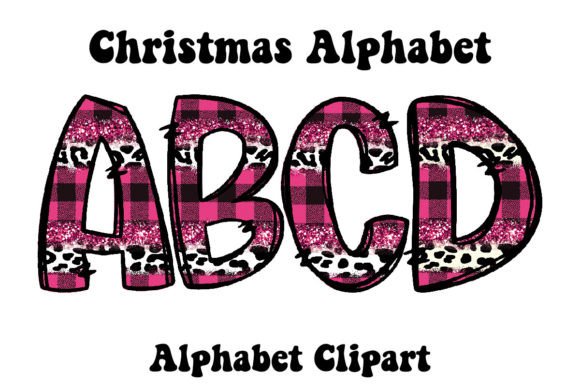
When I first opened the file for Christmas Pink Plaid Leopard Pink Doodle, my initial reaction was a mix of curiosity and caution. As a designer who has stitched hundreds of files, I know that a catchy title doesn't always guarantee a clean result on the hoop. This design falls under the Illustrations category, which usually means it relies heavily on artistic flair rather than rigid geometric precision. The concept itself is bold: merging the cozy, traditional vibe of Christmas plaid with the edgy, wild aesthetic of leopard print, all wrapped in a playful doodle style.
The mood this design creates is immediately festive yet modern. It feels like something you would see on a trendy boutique sweatshirt or a custom gift bag at a high-end craft fair. However, before I commit to stitching this into a finished product, I need to evaluate how those specific elements translate from a digital screen to thread. Does the doodle style hold up under satin stitch? Will the plaid pattern look muddy when filled with color? Let's dive into how this embroidery design performs in real-world scenarios.
First Impressions and Visual Personality
The visual personality of Christmas Pink Plaid Leopard Pink Doodle is undeniably spirited. It screams "fun" and "approachable," making it perfect for holiday gifts or seasonal collections. The doodle aspect suggests a hand-drawn quality, which can add a layer of warmth and authenticity to handmade products. In the world of commercial embroidery, clients often look for designs that feel unique and not mass-produced, and this file definitely has that potential.
The color palette implied by the name—pinks, reds, and earthy leopard tones—is generally safe for most fabric backgrounds, but the contrast will be key. When I imagine this on a dark navy tote bag, the pinks might pop beautifully, creating a striking focal point. On a white apron, however, the lighter pink shades could get lost unless the thread colors are carefully selected. The layout seems loose and organic, which is great for a centered chest logo or a large back print, but it requires careful placement to avoid looking cluttered.
Real-World Application: From Screen to Stitch
I recently had a scenario where I needed a design for a batch of custom embroidered baby onesies for a holiday market. My goal was to create something that stood out from the typical snowflakes and reindeer. I considered using Christmas Pink Plaid Leopard Pink Doodle for this project. The idea was to combine the cuteness of a baby item with the uniqueness of the leopard motif.
In practice, this design shines best on stable fabrics. For the baby onesies, I would recommend using a soft cotton blend with a stabilizer that provides enough support without adding bulk. The doodle lines should work well as a running stitch outline, giving it that sketch-like feel. However, if the central area is dense with fill stitch to represent the plaid pattern, it might become too stiff for a baby's delicate skin. This is where practical judgment comes in; sometimes less is more.
Another strong use case for this file is on a canvas tote bag. Tote bags are durable and provide a flat surface, which is ideal for larger, detailed illustrations. If an Etsy seller were to list a set of holiday shopping bags featuring this design, the vibrant pink tones would likely catch the eye of a browser scrolling through a feed. It fits perfectly into the current trend of mixing patterns, appealing to customers who want something that looks curated and stylish rather than generic.
Where to Exercise Caution
While the design is versatile, there are specific situations where Christmas Pink Plaid Leopard Pink Doodle might struggle. One major concern is the complexity of the plaid pattern within the leopard print. If the original illustration has very fine details, they may not survive the digitization process intact. Small gaps in the pattern can disappear entirely when stitched, turning a crisp design into a blurry mess.
Therefore, I advise against using this design on small hoop sizes, such as those used for hat brims or cuff patches. The curved surfaces of caps also pose a challenge for intricate doodles. Unless the file is specifically optimized for curved embroidery, the distortion could ruin the balance of the image. Additionally, thin or stretchy fabrics like lightweight jersey or silk require extreme care. Without proper stabilizers, the tension required for the fill stitches could cause the fabric to pucker, ruining the finished product.
Dense stitch areas are another potential pitfall. If the design attempts to show every single line of the plaid and the spots of the leopard, the resulting density might be too high for standard home machines. This can lead to needle breakage or thread bunching. For these reasons, testing the design on scrap fabric is non-negotiable before starting a production run.
Impact on Product Value and Brand Perception
The choice of design directly influences customer trust and perceived value. A well-executed Christmas Pink Plaid Leopard Pink Doodle on a high-quality hoodie elevates the item from a basic piece of clothing to a statement fashion item. It signals that the maker paid attention to detail and chose a design with character.
Conversely, if the stitching is sloppy or the colors clash, it can damage the reputation of a craft business. Customers buying personalized gifts expect a level of polish. If the plaid lines are jagged or the leopard spots are uneven, it looks amateurish. This is why reviewing the stitch density and thread colors beforehand is so critical. You want the final output to look professional enough to command a higher price point.
This design also has strong potential for branding. Imagine a small shop owner using this as a recurring motif on their packaging, tags, or social media mockups. The consistent use of the pink and plaid theme could create a recognizable brand identity during the holiday season. It works particularly well for holiday embroidery projects where brands want to inject some personality into their marketing materials.
Practical Designer Notes for Success
If you are planning to incorporate this file into your workflow, here are some essential steps to ensure success. First, always test the design on scrap fabric that matches your final material. This allows you to see how the fabric texture interacts with the thread and whether the stabilizer holds up under tension.
Check the hoop size requirements carefully. If the design is large, ensure your machine can accommodate it without needing to re-hoop in a way that misaligns the image. Inspect the small details closely; if the doodle lines are too thin, consider adjusting the digitization settings to make them slightly thicker for better visibility.
Review the stitch types. A combination of satin stitch for outlines and fill stitch for the main body is common, but verify that the transitions are smooth. Test the design in black and white mockups to ensure the contrast remains effective regardless of the thread colors chosen. This helps predict how the design will look on different colored garments.
Finally, confirm the licensing terms. Many digital embroidery files come with restrictions on commercial use. Before selling finished items like custom apparel or embroidered patches, read the license agreement to ensure you are allowed to sell products made with this design. Some licenses limit the number of units you can produce, while others restrict the type of products you can create.
By taking these precautions, you can transform Christmas Pink Plaid Leopard Pink Doodle from a simple graphic into a valuable asset for your embroidery project. Whether you are a hobbyist making gifts for family or a serious entrepreneur building a small shop product line, understanding the nuances of the design is the key to a successful outcome. With the right preparation, this file can add a touch of whimsical elegance to your next holiday collection.