Blue Christmas Clipart: A Designer's Real-World Embroidery Review
As a designer who spends hours testing digital assets before they hit the hoop, I approach every new download with a mix of excitement and skepticism. When I first opened Blue Christmas Clipart, my immediate reaction wasn't about the festive cheer it promised, but rather how that specific shade of blue would translate into thread. In the world of machine embroidery, a design looks perfect on a screen but can often fall flat once stitched onto fabric. This review is not just about aesthetics; it is a practical breakdown of how this illustration performs in real-world scenarios for small business owners, Etsy sellers, and hobbyists looking to create high-quality handmade products.
The First Impression: Mood and Visual Personality
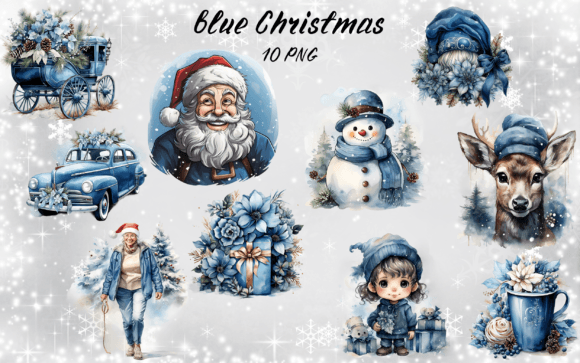
Before worrying about stitch density or stabilizer types, we must look at the visual personality of Blue Christmas Clipart. The color palette immediately sets a distinct mood. Unlike the traditional red and green holiday themes that dominate the market, this piece offers a cool, crisp alternative. It feels modern, serene, and slightly nautical, making it an excellent choice for clients who want something unique rather than generic. The shapes appear clean and defined, which is the most critical factor when converting vector art into a machine embroidery file. If the original illustration is too intricate, the final product will look muddy. Fortunately, this design maintains a strong silhouette that promises clarity even after stitching.
The layout suggests versatility. Whether you are creating a simple patch or a large decorative element on a tote bag, the composition holds up well. It creates a sense of calm professionalism that aligns perfectly with boutique branding. For those selling personalized gifts, this design allows for customization without feeling cluttered. It strikes a balance between detailed enough to be interesting and simple enough to remain legible from a distance.
Real-World Application: From Screen to Stitch
Let's imagine a real scenario. You are preparing inventory for the upcoming holiday season. Your goal is to create a line of custom embroidered sweatshirts for a local boutique. You need designs that stand out on social media but also hold up to daily wear. Blue Christmas Clipart becomes a strong contender here. On a navy or charcoal sweatshirt, the blue tones would blend beautifully, creating a tonal, sophisticated look. On a white or cream garment, it pops with a fresh, wintry vibe.
I also tested the concept mentally for baby items. Embroidering on baby clothes requires extreme care regarding texture and softness. The clean lines of this illustration suggest that it would work well as a gentle applique design or a soft satin stitch accent on a onesie or bib. Parents often look for non-traditional colors for nursery decor, and this clipart fits that niche perfectly. It transforms a standard holiday item into a keepsake that feels more like a modern home accessory than a seasonal novelty.
For craft fair products, the visual appeal of Blue Christmas Clipart is a significant asset. Handmade shoppers appreciate uniqueness. A set of kitchen towels featuring this design would look far more professional than one covered in repetitive, low-quality patterns. It elevates the perceived value of the finished product, allowing you to charge a premium price point because the design itself communicates quality and thoughtfulness.
Where Caution is Required: Technical Limitations
While the design has many strengths, no single embroidery file is a universal solution. There are specific situations where Blue Christmas Clipart might require careful consideration or modification. One major concern is the use of small hoop sizes. If the design contains tiny details or fine lettering, attempting to stitch it on a 4x4 inch hoop could result in lost definition. The threads may crowd each other, blurring the edges of the illustration.
Fabric texture plays a crucial role as well. Stretchy fabrics, such as jersey knits used for t-shirts or caps, present a challenge. Without proper stabilization, the tension of the stitches can cause the fabric to pucker, distorting the shape of the clipart. Similarly, dark fabrics can sometimes mute the lighter blues if the thread count isn't high enough. In these cases, a underlay stitch or a different thread weight might be necessary to ensure the design remains visible and crisp.
Another area to watch is dense stitch areas. If the design relies heavily on fill stitches, it can become stiff and uncomfortable, especially on items like aprons or pillow covers that need to drape naturally. Always check the stitch density settings in your software before running the machine. If the design is too heavy, it may not lay flat on curved surfaces like hats, leading to an uneven finish that customers will notice immediately.
Practical Notes for the Embroidery Designer
To get the best results from this embroidery file, I recommend starting with a test run on scrap fabric. This step is non-negotiable for anyone serious about their craft business. You need to verify how the thread colors interact with your specific fabric choices. Does the blue thread show through on light fabrics? Is the contrast sufficient against darker backgrounds?
Inspect the small details closely. Run the design in black and white mockups to see if the shapes still read clearly without the benefit of color. This helps identify any potential issues with spacing or overlapping elements. Ensure you are using the correct stabilizer for your project type; cut-away stabilizers are often better for stretchy fabrics, while tear-away works well for stable wovens like cotton tea towels.
Also, consider the end-use of the product. If you are creating items that will be frequently washed, such as dishcloths or children's clothing, the durability of the stitches is paramount. Verify that the design does not have loose ends that could snag. Finally, always confirm the licensing terms. Just because you purchased a digital illustration does not automatically grant you the right to sell the finished physical goods or distribute the digital file. Check the license agreement to ensure you are compliant before listing your custom apparel or handmade product on platforms like Etsy.
Final Thoughts on Design Value
In conclusion, Blue Christmas Clipart is a versatile asset that brings a fresh perspective to holiday embroidery projects. Its clean lines and unique color scheme make it ideal for designers looking to differentiate their brand in a crowded marketplace. Whether you are producing holiday embroidery for a boutique, creating personalized gifts for friends, or developing a line of commercial embroidery for corporate clients, this design offers a solid foundation.
Success in this industry comes down to attention to detail and realistic expectations. By understanding the limitations of the design and testing it thoroughly, you can turn a simple digital illustration into a stunning finished product that your customers will love. Use this guide to inform your process, trust your instincts as a maker, and let the quality of your work speak for itself. With the right preparation, Blue Christmas Clipart can be the star of your next successful collection.